
Stroke & Cardiovascular Risk Screening in Glen Burnie, MD
Many of the conditions that lead to heart attack and stroke develop silently, without warning signs. At Ochaney Medical Associates, LLC in Glen Burnie, MD, Mahesh S. Ochaney, MD and Priyanka Ochaney Vyas, DO routinely screen high-risk patients for stroke and cardiovascular disease using safe, non-invasive, in-office testing, so problems can be found and treated early.
Request an AppointmentWhy Screening for Stroke and Cardiovascular Disease Matters
Heart disease and stroke are two of the leading causes of death and disability in the United States, and many of the conditions that lead to them develop without noticeable symptoms. Plaque can quietly build up in your arteries, an aneurysm can slowly enlarge, and an irregular heartbeat can go undetected for years. Screening allows our physicians to find these problems early, often before a heart attack or stroke occurs.
At Ochaney Medical Associates, LLC, we routinely screen high-risk patients using safe, non-invasive, in-office tests. You may benefit from screening if you have high blood pressure, diabetes, high cholesterol, a history of smoking, excess weight, a family history of heart disease or stroke, or you are over age 50.
Cardiovascular Screening Tests We Offer
Carotid Artery Disease Screening
A carotid ultrasound examines the pair of blood vessels in your neck that deliver blood to your brain. It checks for the buildup of fatty plaque, called atherosclerosis, which is one of the leading causes of stroke. Detecting narrowing early allows us to begin treatment that lowers your stroke risk.
Peripheral Arterial Disease (PAD) Screening
An ankle-brachial index (ABI) test compares blood pressure readings in your arms and legs using blood pressure cuffs. Lower pressure in your legs can indicate peripheral arterial disease, a narrowing of the arteries that supply your limbs. PAD is important to detect because it increases the risk of coronary artery disease, heart attack, and stroke.
Abdominal Aortic Aneurysm (AAA) Screening
An abdominal ultrasound checks the aorta, the largest artery in your body, for an enlargement or bulge called an aneurysm. An abdominal aortic aneurysm often causes no symptoms, but if it ruptures, it is a life-threatening medical emergency. Screening is especially important for men over 65 who have ever smoked.
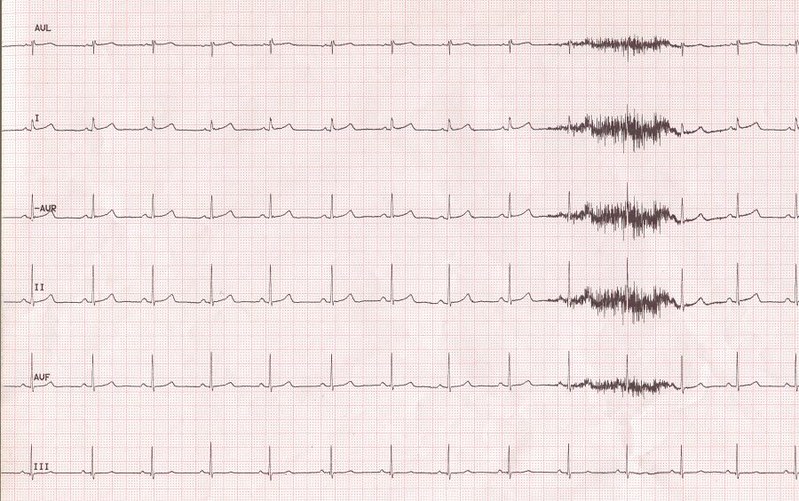
Electrocardiogram (ECG/EKG)
An electrocardiogram records your heart’s electrical activity using small sensors placed on your chest, arms, and legs. It screens for irregular heartbeats called arrhythmias. One serious arrhythmia, atrial fibrillation, can lead to blood clots, stroke, heart failure, and other complications if left untreated.
Echocardiogram
An echocardiogram is an ultrasound of your heart performed with a probe placed on your chest. It shows the structure of your heart, how well your valves are working, the size of your heart’s chambers, and how strongly your heart pumps blood.
What to Expect During Your Screening
All of our cardiovascular screening tests are non-invasive and painless, and most can be completed during a single office visit. Ultrasound tests use a small handheld probe and a gel on the skin, while the ABI test and ECG use blood pressure cuffs and sensors. No needles or radiation are involved, and you can return to your normal activities right away.
After your screening, your physician reviews the results with you, explains what they mean, and recommends any next steps. If your results show signs of disease, we create a personalized plan that may include lifestyle changes, medication, further testing, or referral to a cardiologist or vascular specialist.
Lowering Your Risk of Heart Attack and Stroke
Screening is only the first step. Our physicians help you manage the risk factors that contribute to cardiovascular disease, including blood pressure, cholesterol, blood sugar, and weight. Learn more about our care for cardiac conditions and our medical weight management program, which can play an important role in protecting your heart and brain.
Cardiovascular Screening FAQs
Who should be screened for stroke and cardiovascular disease?
Screening is recommended for people with risk factors such as high blood pressure, diabetes, high cholesterol, smoking history, obesity, a family history of heart disease or stroke, or age over 50. Your physician will recommend the right tests for you.
Are cardiovascular screening tests painful?
No. Carotid ultrasound, ankle-brachial index testing, abdominal aortic ultrasound, ECG, and echocardiogram are all non-invasive and painless.
How long does a cardiovascular screening take?
Most screening tests take between a few minutes and about an hour, and several can often be completed during the same visit.
What is an ankle-brachial index test?
An ankle-brachial index (ABI) test compares blood pressure in your ankles and arms to check for peripheral arterial disease, a narrowing of the arteries in your legs.
Do I need to prepare for my screening?
Most tests require no special preparation. For an abdominal aortic ultrasound, you may be asked to avoid eating for several hours beforehand. Our team will give you instructions when you schedule.
What happens if my screening shows a problem?
Your physician will explain your results and create a treatment plan, which may include lifestyle changes, medication, additional testing, or referral to a cardiologist or vascular specialist.
Can screening prevent a stroke?
Screening can’t prevent a stroke on its own, but finding problems like carotid artery narrowing or atrial fibrillation early allows treatment that significantly lowers your stroke risk.
Know Your Risk Before It Becomes a Problem
Early detection saves lives. Schedule a stroke and cardiovascular disease risk screening at Ochaney Medical Associates, LLC in Glen Burnie, MD by calling (410) 768- 4700 or requesting an appointment online.